Nestled among rolling olive groves and sun-drenched vineyards, many of Puglia’s masserie —fortified farmhouses that once stood as strongholds of agricultural productivity— now enjoy a second life as luxurious retreats and cultural landmarks. These unique architectural gems tell the story of centuries of rural life, resilience, and reinvention.
The origins of the masseria can be traced back to the Roman era’s villae rusticae, self-sufficient countryside estates. However, the true rise of the masseria as we know it began in the late Middle Ages, during a time when vast rural areas of Southern Italy were being reorganized under feudal and monastic control.
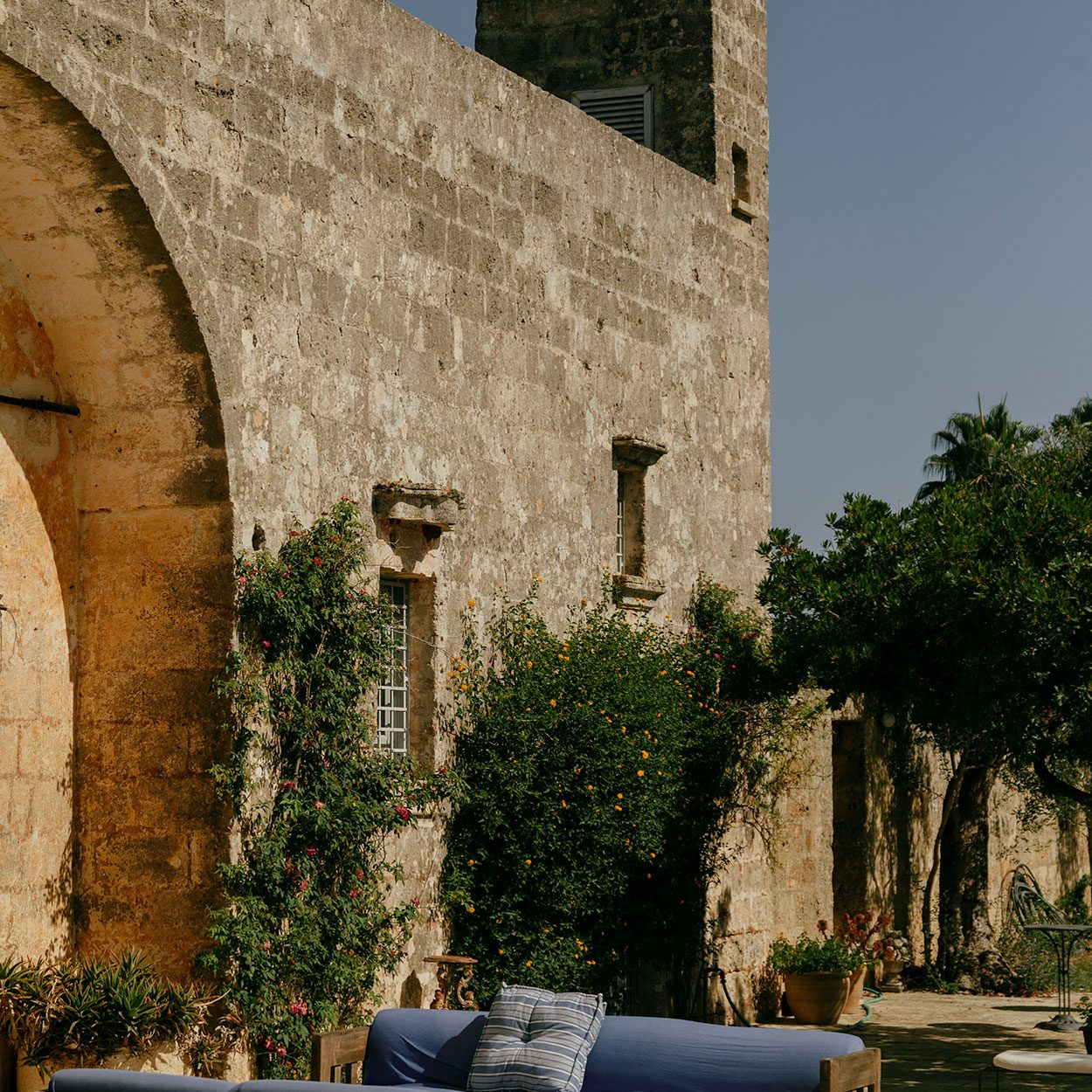
Following the collapse of the Roman Empire, Southern Italy’s countryside became increasingly dangerous and depopulated. In response, feudal lords and religious orders began developing large agricultural estates to reclaim and cultivate the land. At the heart of these estates stood the masseria—a fortified farmhouse designed not only to produce but also to protect.
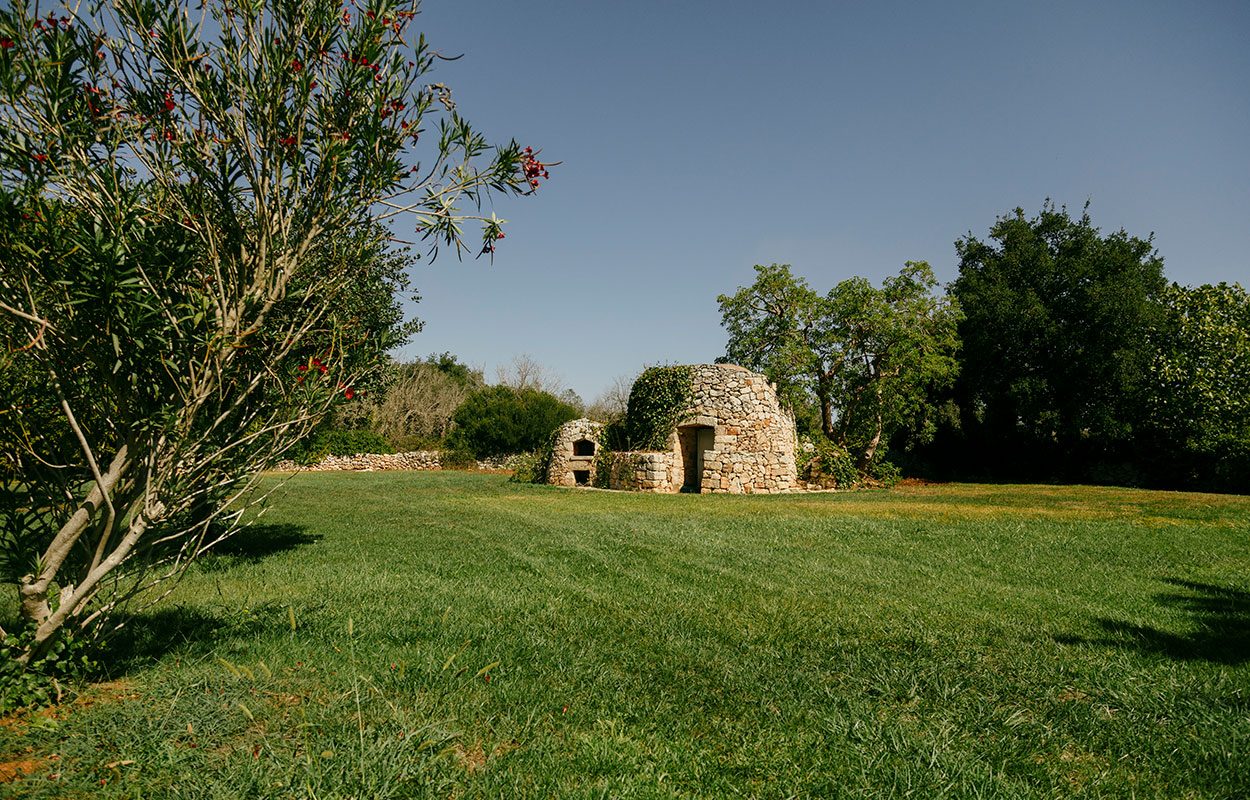
However, a typical masseria was more than a farmhouse, it was a self-sufficient rural complex.
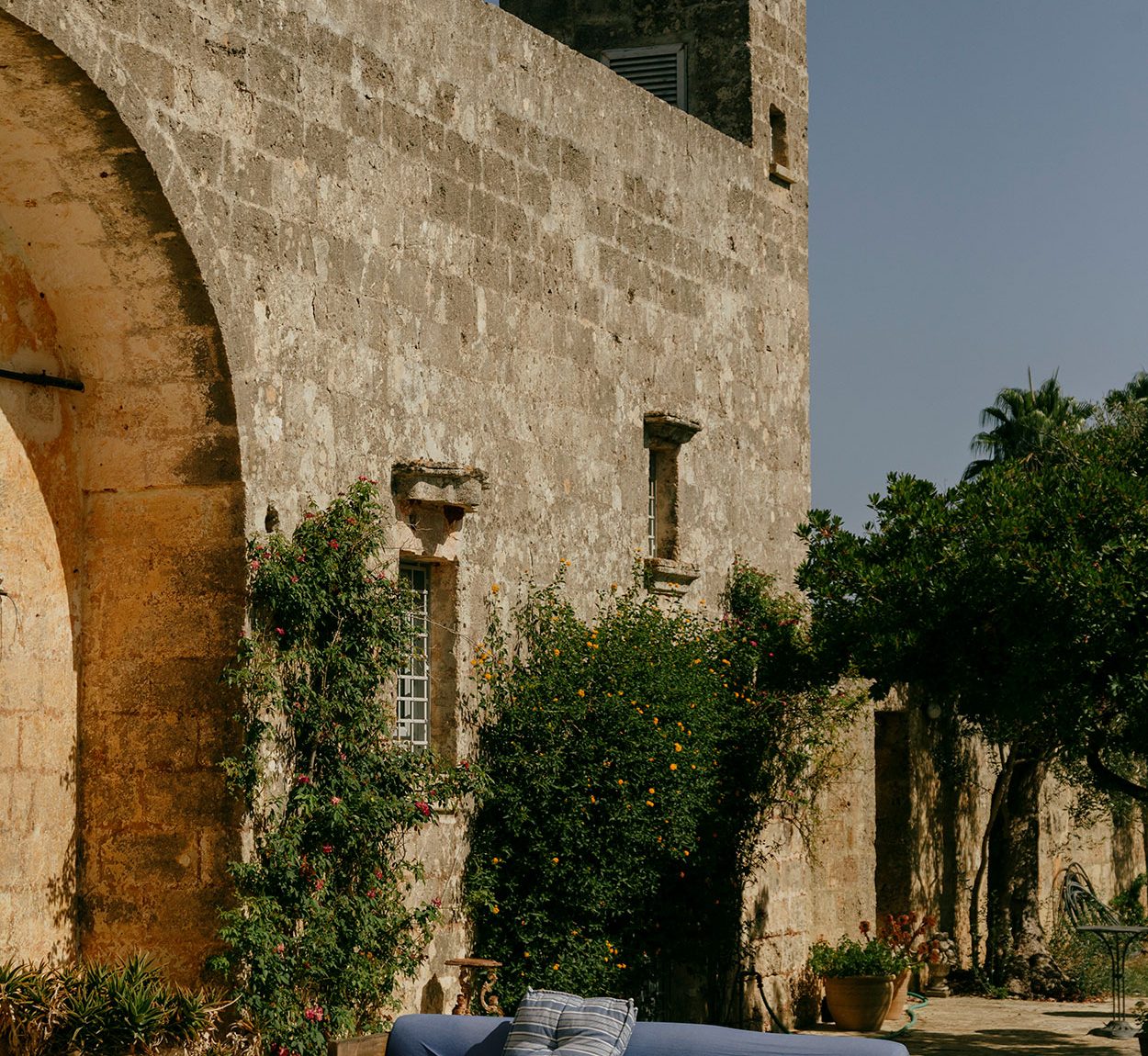
Designed to endure the elements and withstand attacks—from both bandits and rival landowners—masserie were often built from local stone and positioned strategically in the landscape.
During their heyday between the 16th and 18th centuries, masserie were bustling centers of agricultural production. Crops such as wheat, olives, and grapes were cultivated with the help of tenant farmers, sharecroppers, and seasonal laborers. Livestock roamed in nearby pastures, and water was collected in massive underground cisterns. In many ways, masserie functioned like miniature villages, isolated but self-reliant, sustaining generations of families in the rhythms of rural life.By the mid-20th century, these once-vital hubs of rural life had become silent and crumbling relics.
In recent decades, a quiet revolution has been taking place across the landscapes of Puglia, Basilicata, Sicily, and Calabria. Visionary architects, farmers, and entrepreneurs have begun restoring masserie, breathing new life into their ancient stone walls. What was once a symbol of feudal agriculture is now a beacon of sustainable tourism, local craftsmanship, and heritage preservation.
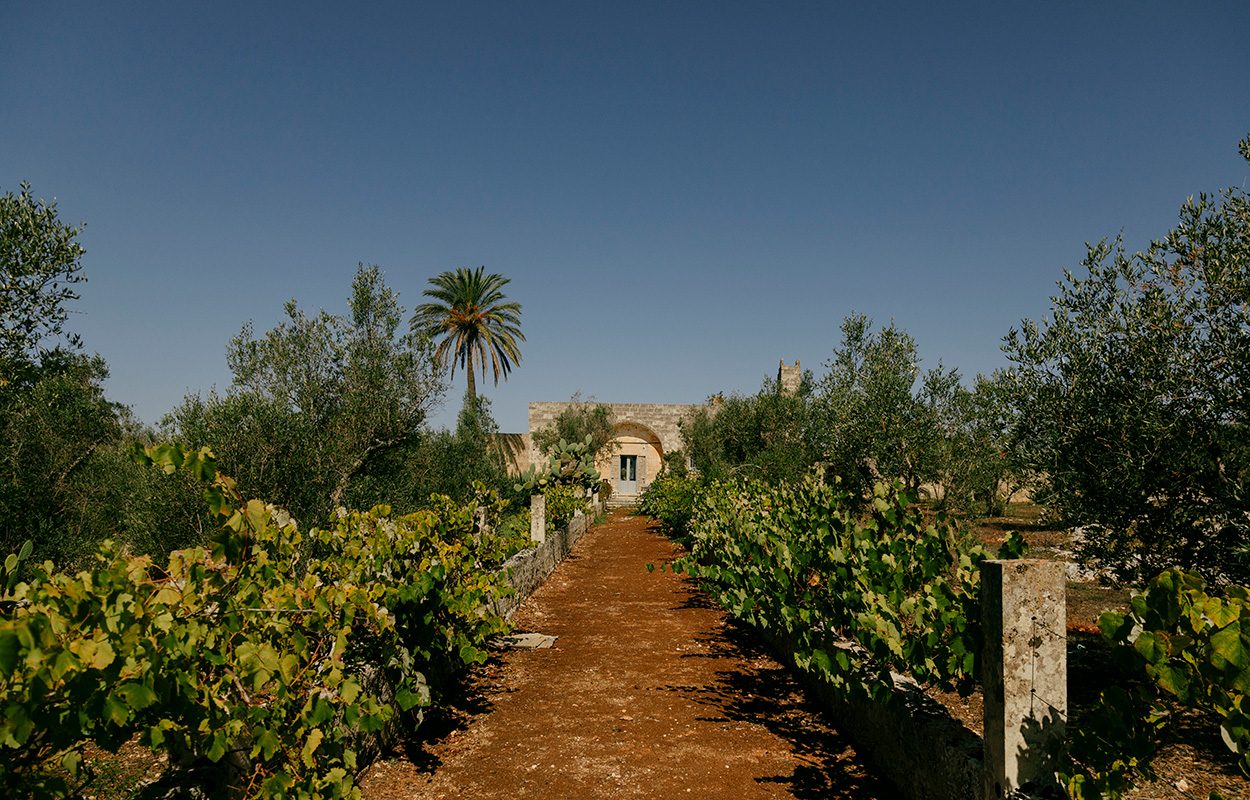
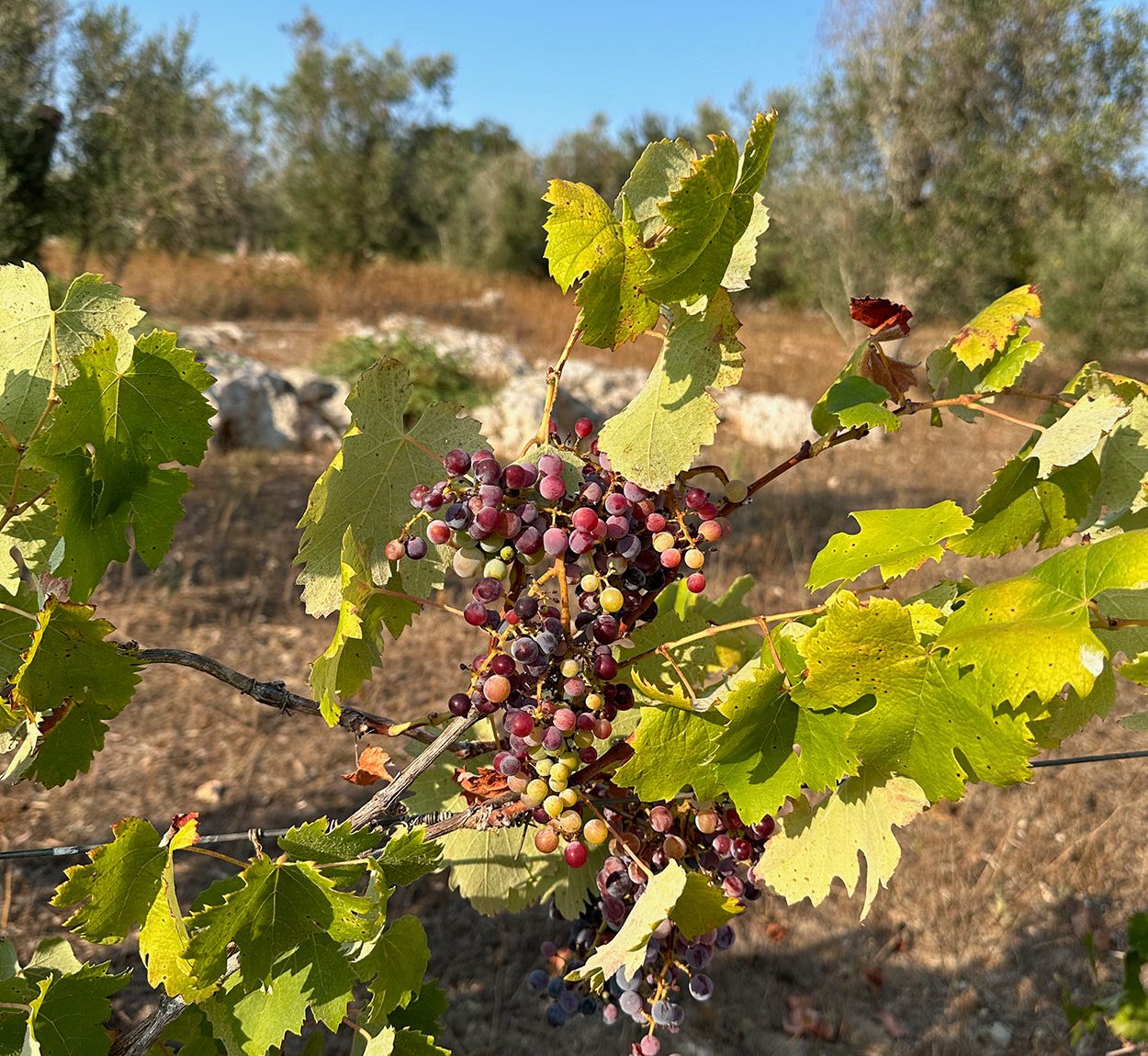
Tucked away among centuries-old olive trees in the peaceful countryside of Spongano, our masseria stands as a living testament to the desire to preserve and revive Southern Italy’s rich architectural heritage.
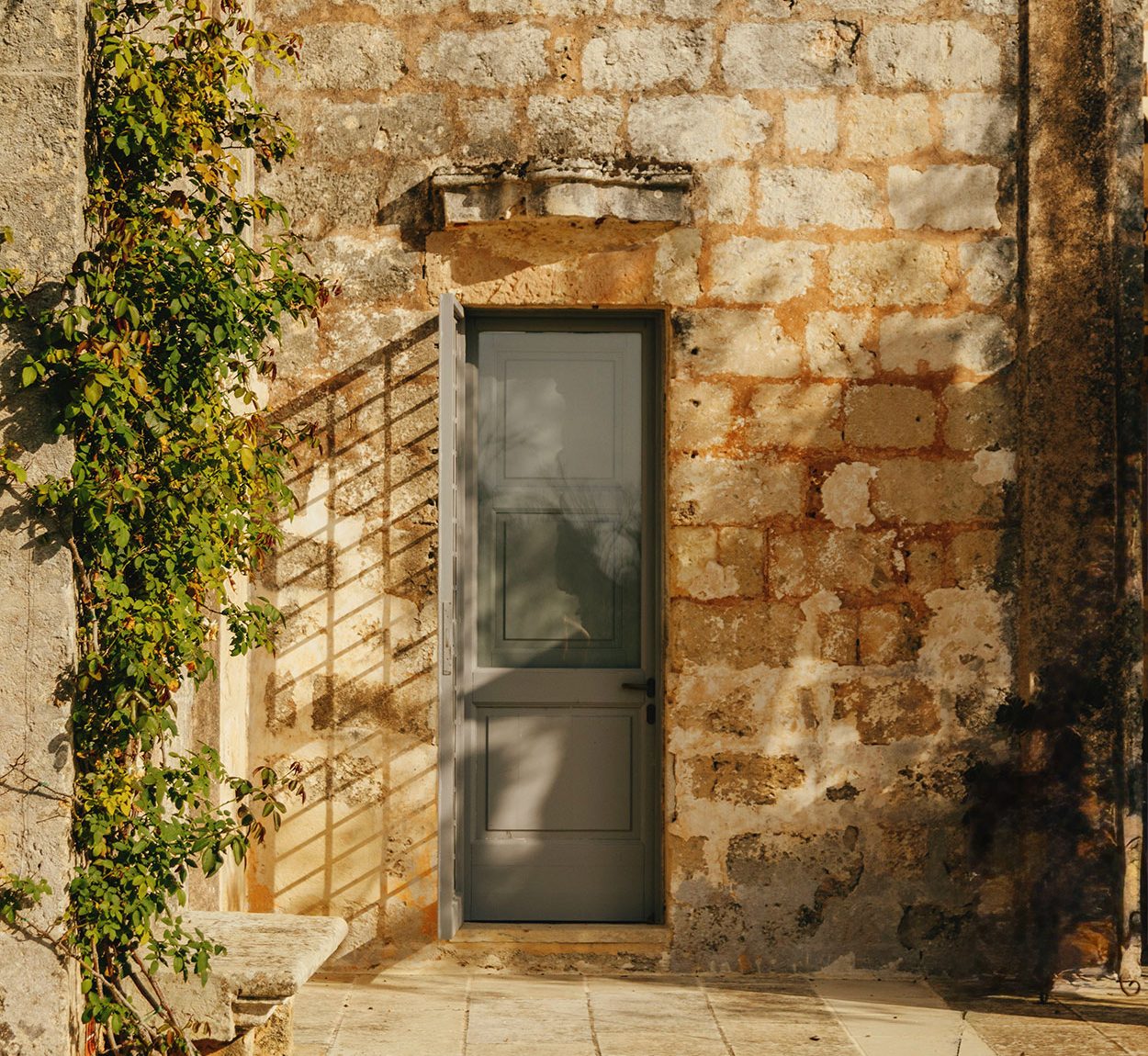
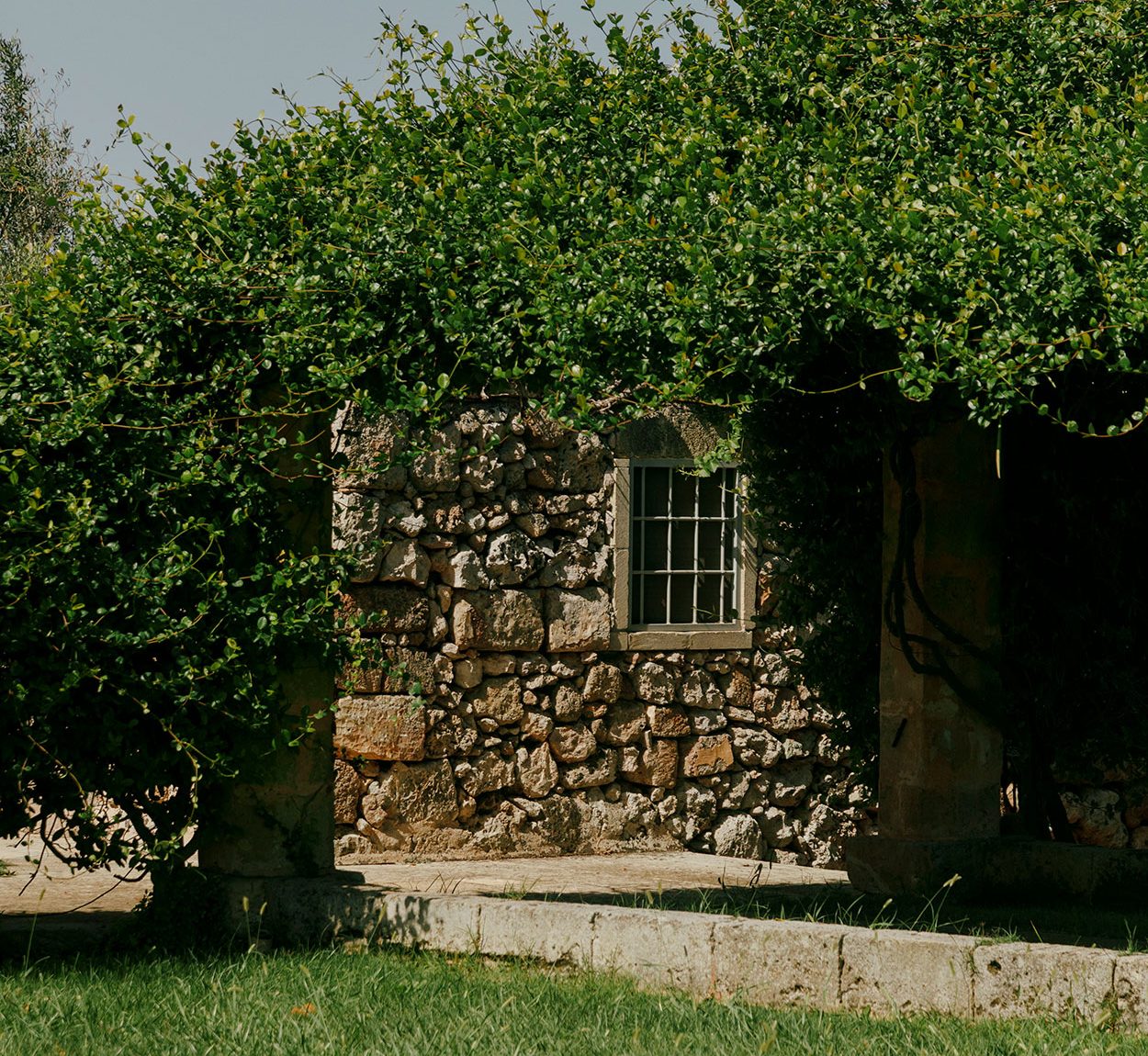
Originally restored in the early 2000s, the property underwent a new transformation in 2025, giving it a fresh identity while faithfully preserving the historic elements that root it firmly in the past. Every detail, carefully respected and reimagined, speaks of the masseria’s layered story—one that began in the 16th century and continues to echo through its walls and gardens
Tucked away among centuries-old olive trees in the peaceful countryside of Spongano, our masseria stands as a living testament to the desire to preserve and revive Southern Italy’s rich architectural heritage.
Originally restored in the early 2000s, the property underwent a new transformation in 2025, giving it a fresh identity while faithfully preserving the historic elements that root it firmly in the past. Every detail, carefully respected and reimagined, speaks of the masseria’s layered story—one that began in the 16th century and continues to echo through its walls and gardens
Following the collapse of the Roman Empire, Southern Italy’s countryside became increasingly dangerous and depopulated. In response, feudal lords and religious orders began developing large agricultural estates to reclaim and cultivate the land. At the heart of these estates stood the masseria—a fortified farmhouse designed not only to produce but also to protect.
However, a typical masseria was more than a farmhouse, it was a self-sufficient rural complex.
Designed to endure the elements and withstand attacks—from both bandits and rival landowners—masserie were often built from local stone and positioned strategically in the landscape.
During their heyday between the 16th and 18th centuries, masserie were bustling centers of agricultural production. Crops such as wheat, olives, and grapes were cultivated with the help of tenant farmers, sharecroppers, and seasonal laborers. Livestock roamed in nearby pastures, and water was collected in massive underground cisterns. In many ways, masserie functioned like miniature villages, isolated but self-reliant, sustaining generations of families in the rhythms of rural life.By the mid-20th century, these once-vital hubs of rural life had become silent and crumbling relics.
In recent decades, a quiet revolution has been taking place across the landscapes of Puglia, Basilicata, Sicily, and Calabria. Visionary architects, farmers, and entrepreneurs have begun restoring masserie, breathing new life into their ancient stone walls. What was once a symbol of feudal agriculture is now a beacon of sustainable tourism, local craftsmanship, and heritage preservation.
A convent, a hospital, a hunting lodge.
Its many lives are still visible in many of the masseria’s exquisite details such as the original 16th-century altar—a sacred relic from a time when the site served as a chapel—or the towering fireplace, that, in the heart of winter, people would sit by to warm themselves, sharing meals, stories, and life.
This is more than a renovation; it’s a resurrection. A place reborn with respect, where every stone, beam, and arch still carries the weight and wonder of time.